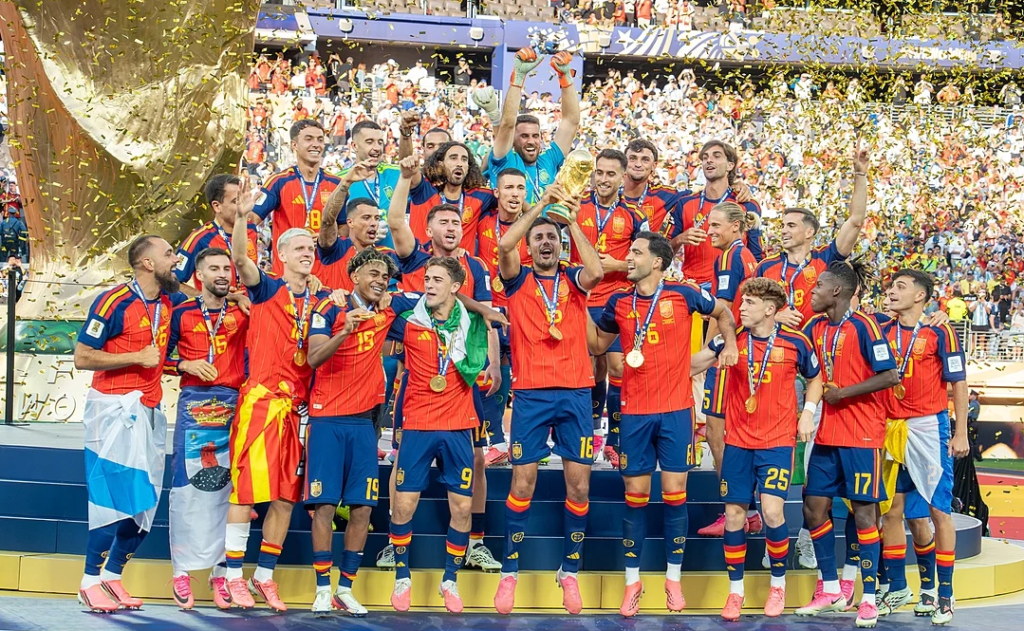
The 2026 FIFA World Cup isn’t just the biggest sporting event in history. It’s one of the biggest marketing opportunities brands have ever seen.
With 48 teams, 104 matches, and an audience projected to exceed six billion viewers worldwide, the tournament has transformed the United States into the center of the global sports marketing conversation. As fans focus on the action on the pitch, brands, agencies, athletes, and creators are using the tournament to build authentic connections through storytelling, live experiences, and creator-led campaigns.
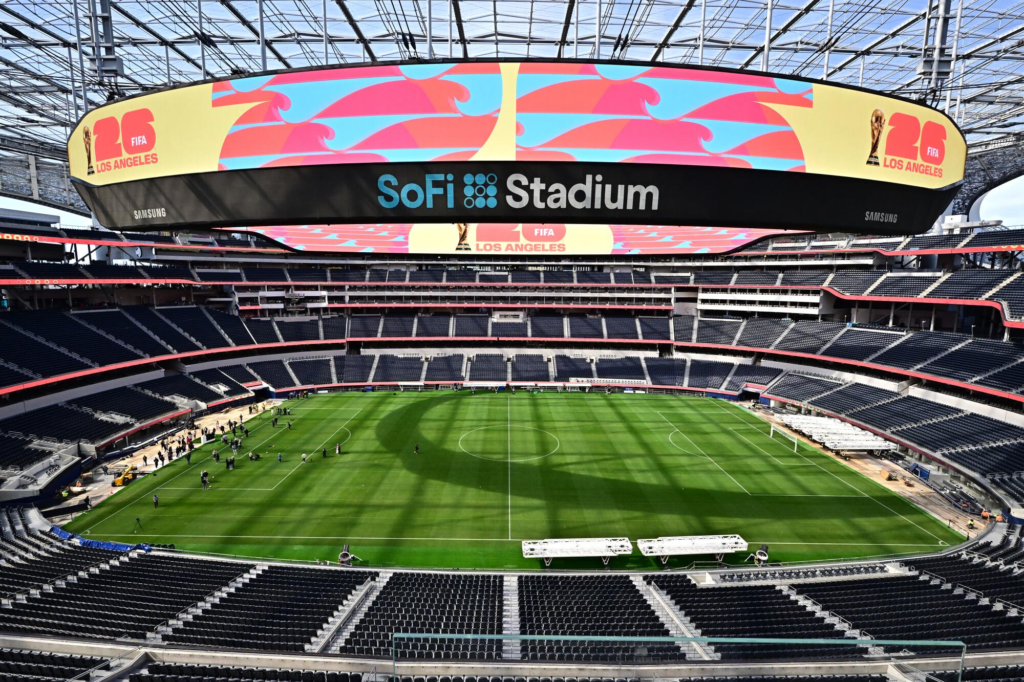
How Brands Are Showing Up
The 2026 FIFA World Cup has become far more than a sponsorship opportunity. While official FIFA partnerships still offer exclusive rights and global visibility, today’s most successful campaigns are built around experiences, content, and culture, not just logos inside a stadium.
Beyond sponsorship rights, brands are investing billions in integrated campaigns spanning social media, retail, hospitality, creator partnerships, live events, and fan experiences. The World Cup has become a six-week cultural moment, and brands are competing for attention wherever fans are watching, traveling, and celebrating.
With matches across 11 U.S. host cities, millions of international visitors, and billions of viewers worldwide, companies are creating experiences fans can engage with before, during, and after every match.
Several brands have already demonstrated what this new era of sponsorship looks like.
Michelob ULTRA, the Official Beer Sponsor, introduced the Superior Player of the Match trophy, allowing fans to vote for each game’s standout performer. The brand also launched the Pitchside Club in Santa Monica with live music, celebrity appearances, jersey customization, drone shows, and partnerships with Men in Blazers and FANZO to connect fans through watch parties.
Coca-Cola has taken a similarly immersive approach with limited-edition packaging, a digital fan hub, ticket sweepstakes, Panini digital sticker collections, POWERADE activations, watch-party giveaways, and Coca-Cola Fan Zones where supporters can celebrate together.
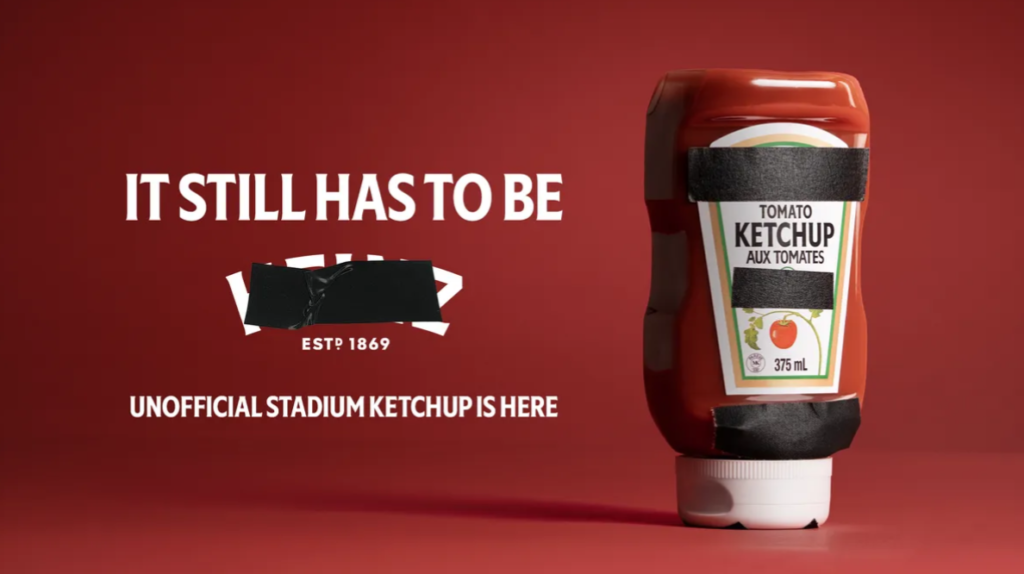
Even brands without official FIFA sponsorships have found ways to join the conversation. Companies like Levi’s, Heinz, Gillette, and Lumen embraced the tournament through creative social campaigns, limited-edition packaging, and culturally relevant content, proving that creativity can compete with exclusivity.
The takeaway is simple. Fans remember the experiences they participate in more than the advertisements they see. The brands making the biggest impact are becoming part of the World Cup conversation instead of simply appearing beside it.
The Rise of Creator-Led Marketing
One of the biggest shifts surrounding this World Cup is happening across social media.
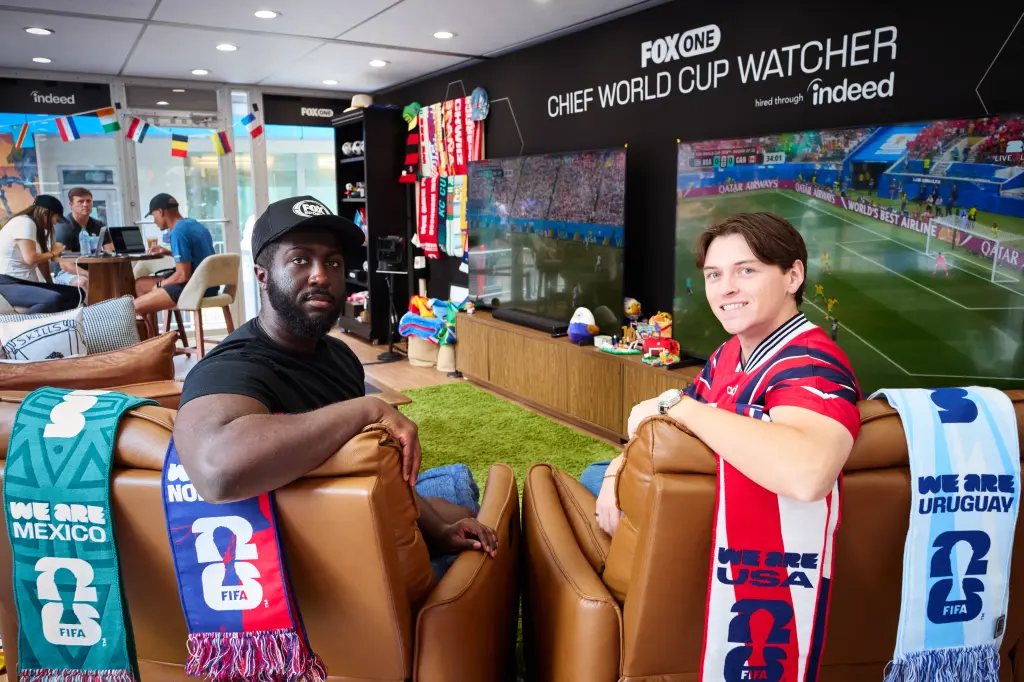
Fans are experiencing the tournament through creators who document travel, showcase host cities, capture behind-the-scenes moments, and provide access to exclusive brand activations. From matchday vlogs to local recommendations, creators have become trusted voices shaping how audiences experience the event.
Brands have embraced this shift by partnering with creators to produce content that feels authentic to each platform. Instead of interrupting the fan experience, creators invite audiences into it through storytelling.
The strongest campaigns aren’t simply advertising the event. They’re becoming part of the fan experience through watch parties, athlete collaborations, city guides, behind-the-scenes content, and community-driven activations.
Why This Matters for Brands
Global sporting events have always created opportunities, but today’s consumers expect more than advertisements.
They want experiences.
They want personalities.
They want stories they can share.
The 2026 FIFA World Cup reinforces a broader shift in sports marketing. Success is no longer measured by media impressions alone but by meaningful engagement. Brands that invest in authentic partnerships, creator-first storytelling, and immersive experiences are building relationships that last well beyond a single tournament.
At Distinction, we’ve seen firsthand that the strongest partnerships happen when brands become part of the culture surrounding sports, not just the competition itself. Through collaborations with professional athletes, creators, and global brands, we build campaigns designed to create lasting cultural relevance rather than one-time impressions.
Whether through creator collaborations, experiential activations, live events, public relations, or integrated social campaigns, the World Cup reinforces what we’ve believed all along. The most impactful partnerships happen when brands become part of the story, not just the sponsor behind it.
Looking Ahead
The 2026 FIFA World Cup marks a turning point for sports marketing in the United States.
As soccer’s popularity continues to grow domestically, brands that invest in authentic partnerships, community engagement, and creator-first storytelling will be best positioned to build lasting relationships with fans.
The champion will be crowned on the final matchday, but for brands, the real victory is creating connections that last long after the final whistle.